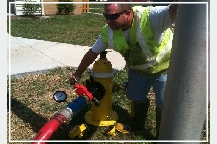
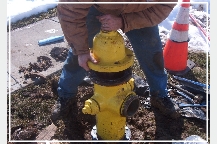
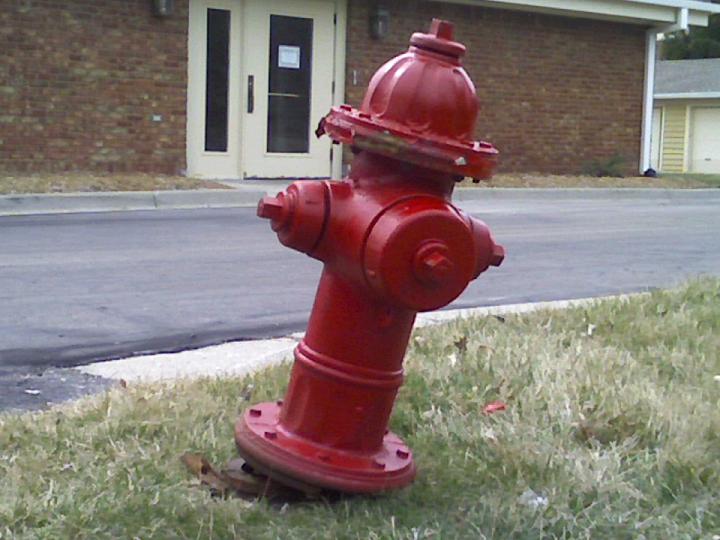
The primary means of ensuring hydrant reliability. Recommended by all hydrant manufacterers, and mandated by insurance companies, American Water Works Association, Uniform Fire Code, and National Fire Protection Association. In addition, annual maintenance of fire hydrants is required in the State of Indiana under 675 IAC 28-1-12 (scroll to page 11) in which NFPA 25 "Standard for the Inspection, Testing, and Maintenance of Water-based Fire Protection Systems" was adopted. KMP Hydrant Services provides Annual Fire Hydrant Inspection/Preventative Maintenance Services that meet and surpass the rigid criteria in both the NFPA 25 and AWWA M17 National Standards. Highly detailed documentation in pdf format including a digital image of the hydrant as well as GPS coordinates and any defects/deficiencies found during inspection as well as recommendations for mitigation.
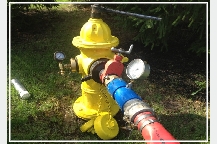
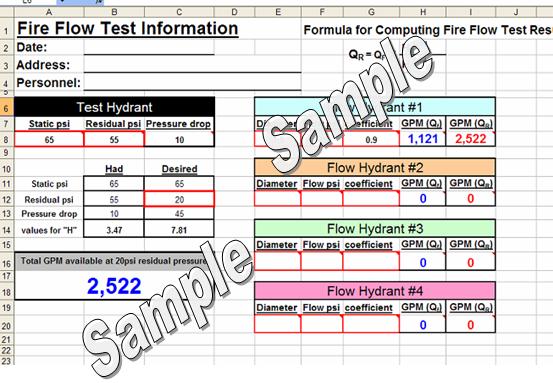
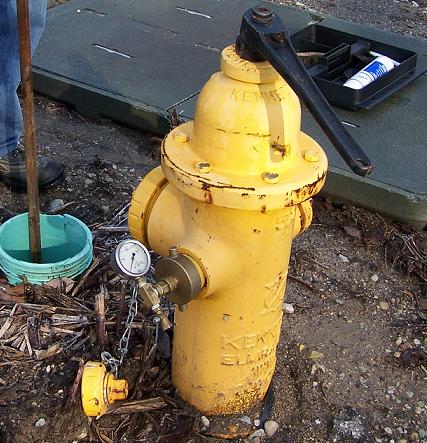
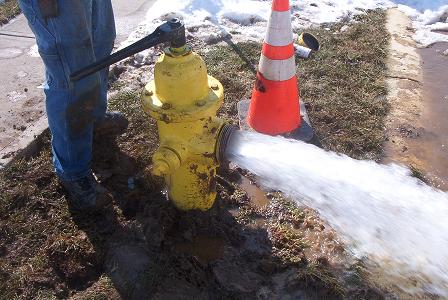
Fire Flow Testing provides valuable water supply information. Individual fire hydrant flow reading services are available as well as system flow capacity fire flow tests. KMP uses industry standard guidelines (NFPA and AWWA) and procedures to perform these tests. Pressure readings are taken including: static, residual, flow, and pressure drops. Data from each fire flow test is entered into a sophisticated, custom made spreadsheet that utilizes hydraulic equations and accounts for hydrant variables (ie. hydrant friction coefficients, etc.). This data provides the customer with an accurate appraisal of the maximum water flow available at the test location.
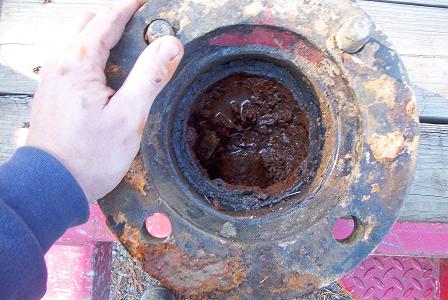
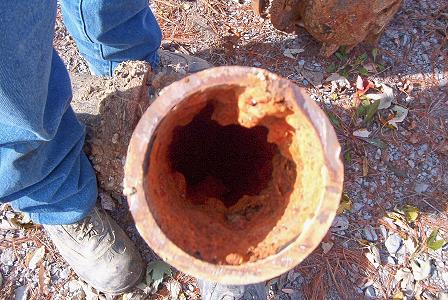
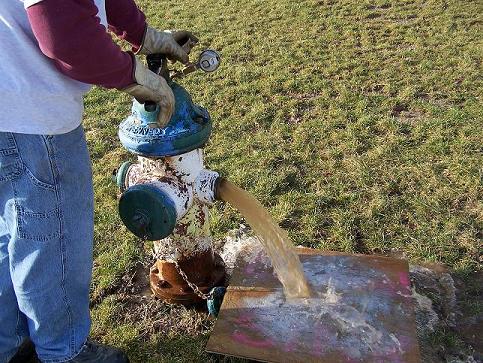
Flushing of hydrant laterals and water mains is a necessary task to aid in the removal of excessive iron buildup, as well as remove particulate matter within the system. Sediment and iron within water mains is not only undesirable for consumption, but also increases the probability of damage and degradation to integral system components: water main valves, hydrant main valves, and other internal mechanisms.
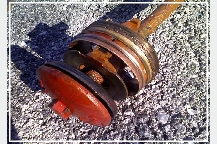
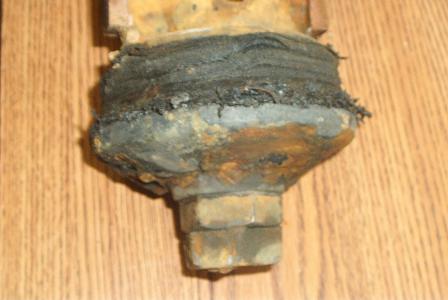
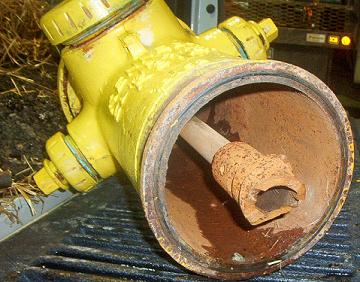
A leaking fire hydrant represents a critical deficit as the hydrant can freeze and become unusable. There are several causes for such necessary repairs such as: debris lodged in main valve, iron buildup/corrosion, faulty/missing O-rings, over-torque of the stem, as well as lack of annual hydrant maintenance. Hydrants with this condition are sometimes referred to as "leaky hydrants" in which water may be seen dripping from the hydrant orifice(s). Main Operating Valve Assembly Repairs involve the complete removal and replacement of the damaged valve components. We utilize specialized hydraulic tools and custom made devices to perform this repair service quickly, efficiently, and safely.
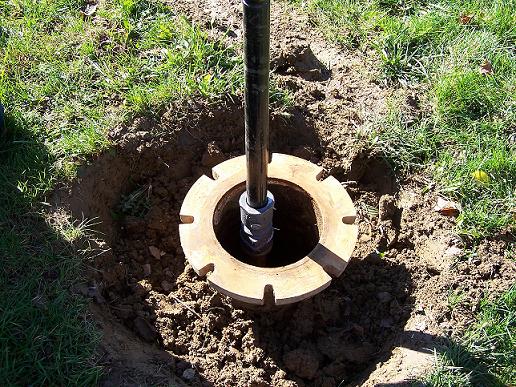
Raising Hydrants to Level Grade (extension installation):
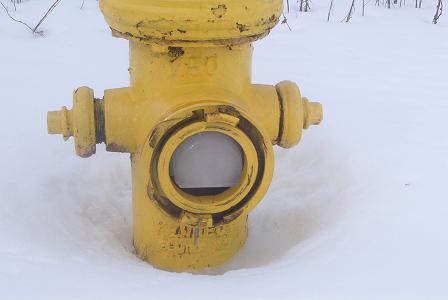
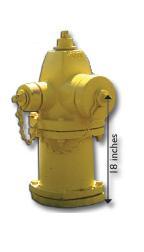
Fire hydrants must be a sufficient height level from the ground and unobstructed in order to be useable by fire department personnel during an emergency. National standards mandate that fire hydrants should be 18 inches from the ground level to the center of the caps as illustrated below.
This is required when a hydrant is "tight" or difficult to operate. This can be caused by a lack of preventative maintenance, excessive corrosion, damaged operating nut, or simply due to age of fire hydrant. Operating Nut Rehabilitation may also be necessary when a leak is discovered from the bonnet assembly. Replacement of O-rings, gaskets, and other components is usually necessary during these procedures.
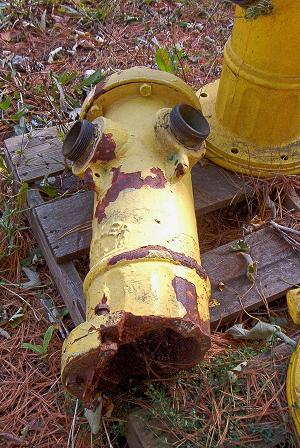
Safety/Collision Flange Repairs are needed when physical damage to the barrel section flange and/or operating stem mechanism has occurred. Most modern fire hydrant models are designed with an integral "break-a-way" flange and "frangible stem coupling". These devices are designed to sheer when the hydrant is collided allowing for ease of repairs usually achieved by way of a collision flange repair kit. Occasionally, additional repairs may be necessary when extensive damage is done to the hydrant operating stem and/or barrel.
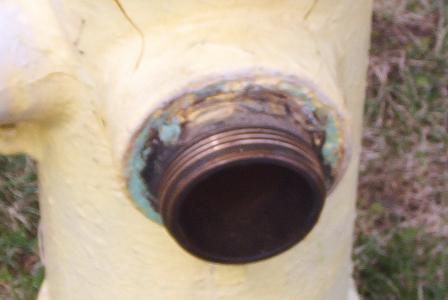
Hydrant nozzles are the orifice(s) that fire department personnel connect their hose to the hydrant. Nozzle threads can become damaged or cross-threaded requiring repairs or replacement if necessary. In addition, nozzles can become corroded with excessive oxidation causing the caps to seize against the threads and prevent hydrant usage. Annual maintenance helps to prevent this by lubrication and excercise of the caps.
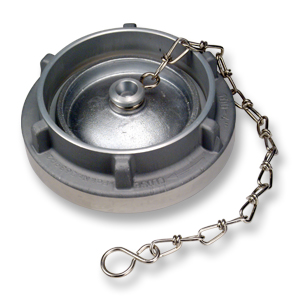
Fire hydrants utilize various thread types for the large diameter outlets. Fire departments nationwide use large diameter hose (5" or 6") allowing for the most gallons per minute (gpm) available from a fire hydrant. This large diameter hose uses a specific fitting, called a Storz thread. During a fire, personnel must attach a thread adapter from their hose to the hydrant in order for the Storz fitting to attach to the hydrant. Hydrant manufacterers, recognizing the valuable time lost during application of these devices, began making Storz fitting adapters for fire hydrants. These fittings replace the standard fitting on the hydrant allowing fire department personnel to quickly attach fire hose with a quarter-turn.